Varanasi to Mathura Vrindavan Tour Package , Have you ever imagined experiencing the divine energy of Lord Shiva in Varanasi and then witnessing the playful, joyous spirit of Lord Krishna in Mathura Vrindavan—all in one magnificent spiritual journey? The Varanasi to Mathura Vrindavan tour package offers precisely this extraordinary experience, connecting two of Hinduism’s most beloved deities through their most sacred earthly abodes.
This transformative pilgrimage takes you from the ancient, mystical ghats of the Ganges where Lord Shiva resides eternally, to the enchanting land of Braj where baby Krishna performed his divine leelas (playful miracles). The journey represents a complete spiritual experience—from Varanasi’s profound, meditative atmosphere focused on moksha (liberation) to Mathura Vrindavan’s devotional, celebratory energy centered on bhakti (divine love). TripCosmos specializes in creating seamless pilgrimage packages that honor both traditions while ensuring comfortable, well-organized travel that lets you focus entirely on your spiritual experience.
Why Combine Varanasi with Mathura Vrindavan?
Two Distinct Spiritual Experiences
Varanasi and Mathura Vrindavan represent beautifully contrasting spiritual energies. Varanasi embodies the serious, philosophical aspects of Hinduism—the cycle of life and death, the pursuit of liberation, and Lord Shiva’s ascetic power. The city’s ancient ghats, cremation ceremonies, and Vedic rituals create deeply contemplative spiritual experiences.
In contrast, Mathura Vrindavan radiates pure devotional love and joyous celebration. Here, spirituality expresses through colorful festivals, ecstatic kirtan (devotional singing), playful temple decorations, and stories of Krishna’s childhood mischief. The energy feels lighter, more joyful, almost childlike in its innocence and devotion. Experiencing both destinations in one journey provides complete understanding of Hinduism’s diverse spiritual expressions—from solemn meditation to ecstatic bhakti.
Convenient Geographic Connection
The distance from Varanasi to Mathura is approximately 450 kilometers, making the combination logical and manageable. Comfortable overnight train journeys or 8-9 hour road trips connect these sacred cities efficiently. This proximity allows experiencing both destinations without exhausting long-distance travel, maximizing your actual time at sacred sites rather than in transit.
Many pilgrims traveling to Varanasi wish to visit Mathura Vrindavan but don’t realize how feasible combining them is. The well-connected routes, improved highways, and regular train services make this circuit increasingly popular among both domestic and international devotees.
Complete North India Pilgrimage
This combination creates a comprehensive North India spiritual circuit. You’re experiencing the Ganges and Yamuna rivers, Shiva and Vishnu (Krishna) worship traditions, ancient philosophical sites and devotional bhakti centers—essentially a complete overview of mainstream Hinduism’s diverse practices. For international tourists or first-time pilgrims, this tour provides exceptional spiritual education and authentic religious experiences spanning Hinduism’s major traditions.
Understanding the Sacred Destinations
Varanasi – The City of Lord Shiva
Varanasi, also known as Kashi and Benares, stands as one of the world’s oldest continuously inhabited cities, radiating 3,000 years of unbroken spiritual tradition. Lord Shiva himself is believed to reside here eternally, making it one of Hinduism’s seven holiest cities (Sapta Puri). The sacred Ganges River flows through Varanasi, and Hindus believe that dying here grants instant moksha—liberation from the cycle of rebirth.
The city’s 84 ghats (riverside steps) host countless daily rituals—pilgrims bathing in holy waters, priests performing elaborate pujas, cremation ceremonies at Manikarnika Ghat (the most sacred cremation ground), and the spectacular evening Ganga Aarti drawing thousands of devotees. The Kashi Vishwanath Temple, one of twelve Jyotirlingas (most sacred Shiva shrines), forms the spiritual nucleus. Walking through Varanasi’s narrow lanes feels like traveling through time itself—ancient traditions continue unchanged while modern life swirls around them.
Mathura – Birthplace of Lord Krishna
Mathura, situated on the sacred Yamuna River banks, holds supreme importance as Lord Krishna’s birthplace. According to Hindu scriptures, Krishna was born here in a prison cell where his parents Vasudeva and Devaki were imprisoned by the tyrannical King Kansa. The exact birthplace is marked by the Krishna Janmabhoomi Temple complex, attracting millions of devotees annually.
Beyond the main temple, Mathura features numerous sacred sites associated with Krishna’s birth and infancy—Vishram Ghat where Krishna rested after killing Kansa, Dwarkadhish Temple with its beautiful black marble Krishna idol, and Gita Mandir showcasing Bhagavad Gita teachings through marble carvings. The city’s ghats along the Yamuna host colorful Aarti ceremonies, and the entire atmosphere radiates Krishna consciousness. Mathura also serves as an important art and culture center, famous for its paintings, sculptures, and classical dance traditions.
Vrindavan – Krishna’s Childhood Playground
Just 15 kilometers from Mathura lies Vrindavan, the enchanting forest town where young Krishna spent his childhood performing countless divine leelas (playful miracles). Here Krishna danced with the gopis (cowherd girls), played his mesmerizing flute, lifted Govardhan Hill, and established the profound philosophy of divine love that Vrindavan still embodies.
Vrindavan houses over 5,000 temples—from ancient shrines to modern architectural marvels. The Banke Bihari Temple attracts the largest crowds with its spontaneous, ecstatic worship style. ISKCON Temple showcases modern devotional practices with cleanliness, organization, and educational programs. The Prem Mandir, a recent addition, dazzles with intricate marble carvings and stunning light shows depicting Krishna’s life.
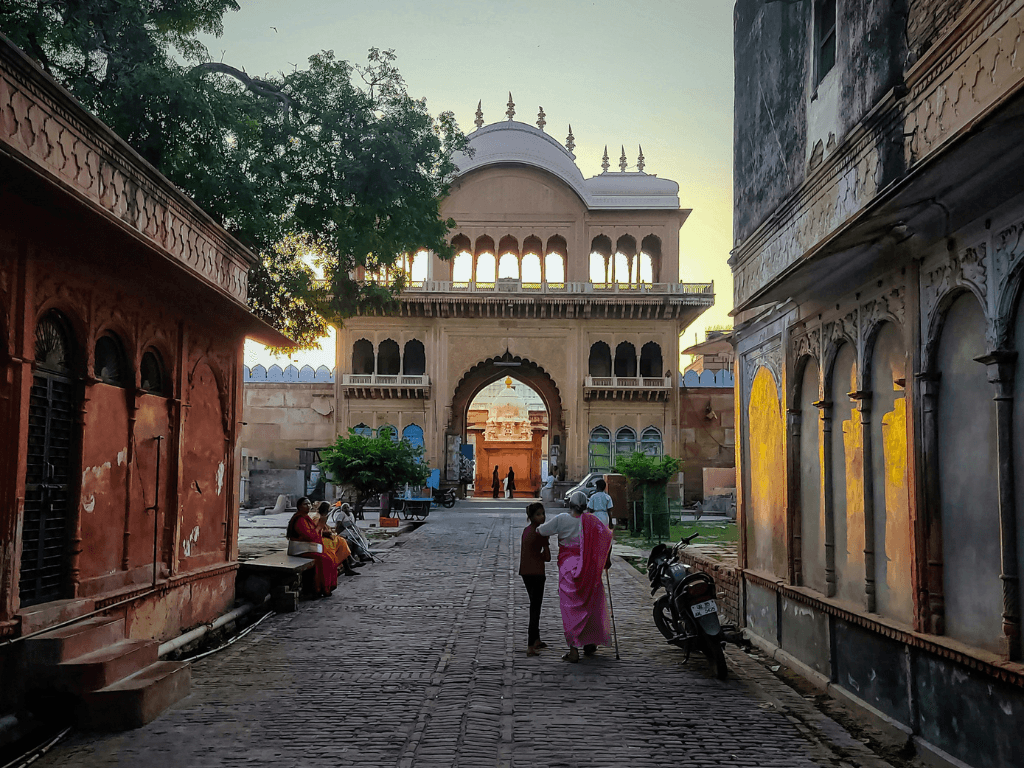
The sacred groves (kunjas), ghats along the Yamuna, and ancient trees create peaceful natural settings perfect for meditation and reflection. Walking Vrindavan’s streets, you’ll encounter wandering sadhus, hear continuous kirtan from temples, and feel the pervasive devotional atmosphere that has inspired saints, poets, and devotees for millennia.
Popular Tour Package Options
4-Day Varanasi-Mathura-Vrindavan Express
This compact package suits travelers with limited time who want essential darshan (sacred viewing) at all major temples. Day 1 covers Varanasi highlights—Ganga Aarti and key temples. Day 2 includes morning boat ride, Kashi Vishwanath visit, and evening journey to Mathura (overnight train recommended). Day 3 explores Mathura’s Krishna Janmabhoomi and Vrindavan’s major temples (Banke Bihari, ISKCON, Prem Mandir). Day 4 allows morning worship before departure.
While rushed, this express package ensures you experience each destination’s spiritual essence—perfect for working professionals or those adding this spiritual detour to business travel.
6-Day Comprehensive Pilgrimage Package
This balanced option provides comfortable pacing without rushing sacred experiences. You’ll spend 2 full days in Varanasi (including Sarnath visit), 1 day for comfortable travel to Mathura, 2 days thoroughly exploring Mathura and Vrindavan’s temples, ghats, and cultural sites, and 1 final morning for shopping and departure.
This duration allows genuine spiritual immersion—participating in multiple Aartis, spending quality meditation time, exploring lesser-known but beautiful temples, and absorbing each location’s unique devotional atmosphere. The 6-day package represents the most popular choice among serious pilgrims seeking depth without excessive duration.
8-Day Extended Spiritual Circuit with Agra
For thorough exploration, this extended package adds nearby destinations creating a complete cultural-spiritual circuit. After comprehensive Varanasi exploration (2-3 days), comfortable journey to Mathura (1 day), and extensive Mathura-Vrindavan temple visits (2-3 days), the package includes Agra (1-2 days) for Taj Mahal and Agra Fort visits.
This combination satisfies both spiritual and cultural tourism interests—pilgrimage to sacred sites plus witnessing one of the world’s most magnificent monuments. The proximity of Mathura to Agra (just 50 kilometers) makes this addition logical. Some packages also include Gokul and Barsana (nearby Krishna pilgrimage sites), creating the ultimate Braj region spiritual tour.
Customized Devotional Tours
TripCosmos creates personalized itineraries for specific devotional interests. Want to participate in early morning Mangla Aarti at Banke Bihari? Interested in extended kirtan sessions with ISKCON devotees? Planning to perform special puja at Krishna Janmabhoomi? Need accommodations at ashrams rather than hotels?
Customized packages accommodate unique spiritual goals, dietary requirements (many Krishna devotees follow strict prasadam-only diets), accessibility needs for elderly devotees, or celebration of personal occasions (birthdays, anniversaries) at sacred sites. Premium customization includes private darshan arrangements, meetings with temple priests or spiritual teachers, and participation in exclusive temple ceremonies.
Detailed Itinerary Breakdown
Days 1-2: Varanasi Sacred Exploration
Day 1 – Arrival and Evening Aarti
Your divine journey begins with arrival in Varanasi (airport or railway station pickup included). After hotel check-in and refreshment, spend late afternoon exploring the ghats—observing pilgrims, priests, cremation ceremonies from respectful distances, and the timeless rhythm of spiritual life along the Ganges.
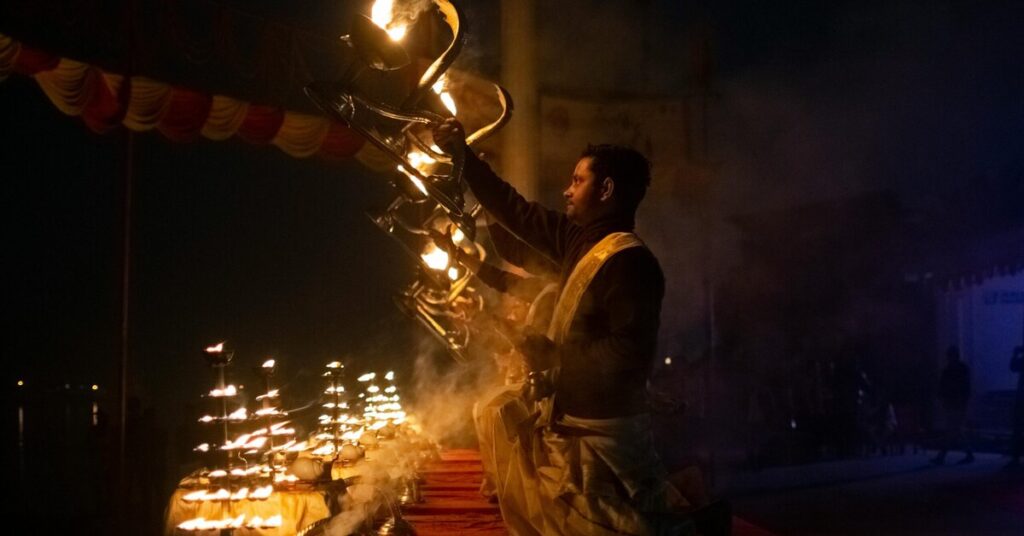
As evening approaches, position yourself at Dashashwamedh Ghat for the magnificent Ganga Aarti. Young priests perform synchronized rituals with enormous brass lamps, creating spectacular visual displays accompanied by bells, drums, and devotional chanting. The sight of oil lamps floating on the river creates magical moments capturing Varanasi’s spiritual essence. Return to hotel for vegetarian dinner and rest.
Day 2 – Morning Rituals and Temple Visits
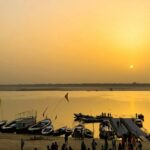
Wake before dawn (5:30 AM) for a sunrise boat ride on the Ganges—an absolutely transformative experience. As the sun rises, witness the city awakening: pilgrims bathing in sacred waters, yogis performing sun salutations, priests conducting morning pujas, and the profound reminder of life’s impermanence at cremation ghats. This two-hour journey provides deep insights into Hindu spirituality.
After breakfast, visit the golden-spired Kashi Vishwanath Temple, one of twelve Jyotirlingas. The intense devotional atmosphere and beautiful architecture create powerful spiritual experiences. Explore nearby Annapurna Temple and the ancient lanes of old Varanasi where traditional silk weaving, flower markets, and street food vendors create vibrant cultural experiences.
Afternoon can include a peaceful visit to Sarnath (10 km away) where Buddha delivered his first sermon, offering spiritual contrast to Varanasi’s intensity. Evening features free time for personal exploration, shopping for Banarasi silk sarees or religious items, or attending classical music performances. Night train departure to Mathura recommended for efficient travel.
Day 3: Journey to Mathura
Morning Arrival and Afternoon Exploration
Arrive in Mathura by morning train (or previous evening if traveling by road). After hotel check-in and breakfast, rest briefly before beginning your Krishna pilgrimage. The atmosphere immediately feels different from Varanasi—more colorful, celebratory, filled with devotional songs rather than Vedic chants.
Begin at Krishna Janmabhoomi Temple complex, the exact birthplace of Lord Krishna. The prison cell where Krishna was born is marked by a special shrine generating intense devotional energy. Security is relatively strict here (no phones/cameras), so approach with devotion rather than tourist mindset. The adjacent Kesava Deo Temple and archaeological museum provide historical context.
Visit Vishram Ghat on the Yamuna River where Krishna rested after killing Kansa. The peaceful riverside atmosphere, colorful boat rides, and feeding activities create pleasant experiences. Evening brings beautiful Yamuna Aarti with oil lamps, devotional singing, and collective prayers—less grandiose than Varanasi’s Ganga Aarti but equally moving in its sincere devotion.
Days 4-5: Mathura and Vrindavan Temples
Day 4 – Vrindavan Divine Temples
After early morning Aarti attendance in Mathura, depart for Vrindavan (15 km, 30-minute drive). The entire day explores Vrindavan’s magnificent temples:
Banke Bihari Temple – Arrive early to avoid massive crowds. This beloved temple features spontaneous, ecstatic worship with devotees singing, dancing, and crying in devotional rapture. The curtain before the deity opens and closes periodically, as legend says Krishna’s beauty is so captivating that prolonged viewing might entrance devotees permanently. The energy here is absolutely electric—pure bhakti in action.
ISKCON Temple – This modern, well-organized temple offers a different devotional style—clean facilities, structured programs, informative displays explaining Krishna philosophy, and beautiful marble deities. The temple includes a museum, guesthouse, and restaurant serving delicious prasadam (sanctified vegetarian food). Many Western devotees are present, creating international spiritual atmosphere.
Prem Mandir – This relatively new temple (inaugurated 2012) showcases stunning white marble architecture with intricate carvings depicting Krishna’s life. The evening light and sound show transforms the temple into a glowing wonderland—absolutely spectacular and perfect for photography.
Radha Raman Temple – This ancient temple houses a self-manifested Krishna deity appearing to saint Gopala Bhatta Goswami. The intimate atmosphere and beautiful deity darshan create deeply moving experiences. The temple follows traditional worship styles maintained for centuries.
Day 5 – Extended Vrindavan Exploration and Sacred Sites
Begin with early morning visit to Seva Kunj and Nidhuban, the sacred grove where Krishna performed Raas Leela (divine dance) with Radha and gopis. The peaceful natural setting invites meditation and contemplation. Local belief holds that Krishna still performs Raas Leela here nightly—no one is allowed to stay after sunset.
Visit Radha Vallabh Temple, Shahji Temple (known for intricate Belgian glass work), and Rangaji Temple (showcasing Dravidian architecture unusual in North India). Explore the peaceful Kesi Ghat and other Yamuna riverside locations where Krishna performed various leelas.
Afternoon can include parikrama (circumambulation) of Vrindavan—a 10-kilometer sacred walk visiting numerous small temples and holy sites. This devotional practice, done barefoot by sincere pilgrims, creates profound spiritual experiences. Alternatively, enjoy cultural programs—classical dance performances, kirtan sessions, or lectures on Krishna philosophy offered by various ashrams and temples.
Day 6: Return or Extension to Agra
Final Blessings and Departure
Morning allows final temple visits, purchasing sacred items (Tulsi beads, Krishna idols, devotional books), or simply sitting peacefully absorbing Vrindavan’s atmosphere. After lunch, depart for Mathura railway station or continue to Agra (50 km, 1 hour) if extending the tour.
Agra Extension (Optional)
If including Agra, afternoon/evening arrival allows rest before next day’s Taj Mahal visit. Morning tours to Taj Mahal (arriving at sunrise for best light and smaller crowds) and Agra Fort complete the cultural component. This combination satisfies spiritual pilgrimage and world heritage tourism—many international travelers appreciate experiencing both aspects of India.
Major Attractions Covered in the Tour
The comprehensive package includes 20+ major sites:
Varanasi: Kashi Vishwanath Temple, Dashashwamedh Ghat, Manikarnika Ghat, Assi Ghat, Annapurna Temple, sunrise boat ride, evening Ganga Aarti, Sarnath archaeological site
Mathura: Krishna Janmabhoomi Temple, Vishram Ghat, Dwarkadhish Temple, Gita Mandir, Yamuna Aarti, local markets
Vrindavan: Banke Bihari Temple, ISKCON Temple, Prem Mandir, Radha Raman Temple, Radha Vallabh Temple, Shahji Temple, Rangaji Temple, Seva Kunj, Nidhuban, Kesi Ghat, Vrindavan parikrama
Agra (optional): Taj Mahal, Agra Fort, Mehtab Bagh
Each site offers unique spiritual, historical, or architectural significance, combining to create comprehensive pilgrimage experiences.
Complete Package Pricing and Inclusions
Budget Package Costs
₹18,000-₹28,000 ($216-$336) per person for 4-6 days
Budget-friendly packages make sacred pilgrimage accessible to all devotees. Inclusions: basic 2-star hotels or dharamshalas near temples, shared AC vehicles, simple vegetarian meals (breakfast plus one meal), train tickets (sleeper or 3AC class), entry fees, experienced guides. Accommodations are simple but clean, prioritizing location over luxury—perfect for sincere devotees prioritizing darshan over comfort.
Standard Package Rates
₹35,000-₹55,000 ($420-$660) per person for 4-6 days
Standard packages offer comfortable experiences without extravagance. Inclusions: comfortable 3-star hotels with modern amenities, AC vehicles for all transportation, all vegetarian meals, train tickets (2AC or 3AC class) or comfortable road journey, knowledgeable guides, all entry fees, and some additional experiences like special Aarti arrangements. This mid-range option represents the most popular choice among both domestic and international pilgrims.
Premium Package Pricing
₹60,000-₹1,00,000+ ($720-$1,200+) per person for 4-6 days
Premium packages provide superior comfort and exclusive experiences. Inclusions: 4-5 star hotels or heritage properties, private AC vehicles (Innova/similar), gourmet vegetarian meals respecting traditional prasadam standards, train tickets (1AC class) or flight options, expert guides with deep scriptural knowledge, VIP darshan at major temples (reducing queue time), special puja arrangements, cultural programs, and personalized services.
Luxury tier can extend to ₹1,50,000+ ($1,800+) with helicopter transfers, five-star accommodations exclusively, private temple ceremonies, meetings with renowned spiritual teachers, and completely customized itineraries.
What’s Included in Each Tier
All Tiers Include: Accommodation (based on package level), intercity transportation (train/road/flight per tier), local sightseeing vehicles, breakfast (additional meals vary by tier), experienced guides, entry fees to temples and monuments, airport/station transfers
Typically Excluded: Flights/trains to starting point and from end point, travel insurance, personal expenses, tips for guides and drivers, special puja costs beyond basic entry, optional activities, alcoholic beverages (not appropriate for pilgrimage anyway)
Additional Costs: Single occupancy supplement (30-50% extra), VIP darshan arrangements (₹2,000-₹5,000 per temple), special ceremony participation (₹1,000-₹10,000 depending on complexity), Agra extension (₹8,000-₹15,000 additional)
Best Time to Visit Mathura Vrindavan from Varanasi
October to March offers ideal weather (12-28°C) for comfortable temple visits and outdoor activities. Pleasant temperatures make extensive walking and temple-hopping enjoyable. This peak pilgrimage season sees higher prices (15-25% premium) and larger temple crowds, but weather perfection justifies these inconveniences.
Janmashtami (August/September) – Krishna’s birthday transforms Mathura Vrindavan into magnificent celebrations with elaborate decorations, special ceremonies, cultural programs, and millions of devotees. This ultimate time for Krishna devotees requires months-advance booking and patience with massive crowds. The devotional energy during Janmashtami is absolutely unparalleled—a once-in-lifetime experience.
Holi (February/March) – The festival of colors originated in Vrindavan with Krishna and gopis’ playful celebrations. Witnessing (or participating in) Vrindavan’s Holi celebrations—especially at Banke Bihari Temple—offers unique, joyous spiritual experiences. Barsana’s Lathmar Holi (nearby village) is particularly famous. Holi packages require significant advance booking.
Kartik Month (October/November) – This auspicious month sees increased devotional activities, special ceremonies, and the beautiful Kartik Deep Festival where temples illuminate with thousands of oil lamps. Smaller crowds than Janmashtami but enhanced spiritual atmosphere.
Radhashtami (August/September) – Celebrating Radha’s appearance day, Vrindavan hosts special programs and celebrations, particularly at Radha-focused temples.
April-June brings intense heat (35-45°C), making outdoor exploration uncomfortable though temples remain accessible with AC vehicles. This off-season offers significant savings (30-40% discounts) and peaceful temple visits—suitable for heat-tolerant devotees prioritizing quiet darshan.
Monsoon (July-September) sees reduced tourism, lower prices, and lush landscapes but humidity and occasional flooding. Peacock dances in Vrindavan forests during monsoon are legendary, creating unique natural-spiritual experiences.
Transportation Options Between Cities
Varanasi to Mathura by Train
The most popular option includes several daily trains covering 450 km in 7-12 hours depending on train type. Recommended trains: Kashi Vishwanath Express (overnight journey, arrives morning), Purushottam Express, or Mahamana Express. Overnight trains allow efficient travel—board evening, sleep during journey, arrive morning refreshed. Classes range from sleeper (budget) to 1AC (luxury). Book 2-3 months advance for confirmed berths during peak season.
Varanasi to Mathura by Road
Road journey covers approximately 680 km via Prayagraj and Kanpur, requiring 10-12 hours. Comfortable AC vehicles with rest breaks make the journey manageable. Road travel costs more than trains but offers flexibility—stop at Prayagraj for quick Sangam darshan, take comfort breaks as needed, enjoy countryside scenery. Private taxis charge ₹12,000-₹18,000 for entire vehicle. Many packages break the journey with overnight stop in Prayagraj or Kanpur.
Varanasi to Mathura by Air
No direct flights exist. Connecting flights via Delhi (Varanasi to Delhi, Delhi to Agra, then road to Mathura) take 4-6 hours total but cost significantly more (₹8,000-₹15,000) and require airport transfers. Only recommended for time-critical travelers or those with mobility limitations making long train/road journeys difficult.
Mathura to Vrindavan
Just 15 km apart, frequent local buses, shared autos, and taxis connect them (₹20-₹300 depending on mode). Most tour packages include private vehicles eliminating this concern.
Accommodation Choices Along the Route
Varanasi Accommodations
Budget: Hotel Ganges View (₹1,200-₹2,000), Moustache Hostel (₹800-₹1,500), various dharamshalas near temples
Standard: Hotel Surya, Rivatas by Ideal, Palace on Ganges (₹3,000-₹6,000)
Premium: Brijrama Palace, Suryauday Haveli, Radisson Varanasi (₹8,000-₹20,000)
Luxury: Taj Nadesar Palace, BrijRama Palace (₹15,000-₹40,000+)
Mathura Accommodations
Budget: Hotel Madhuvan, Brijwasi Royal (₹1,000-₹2,000)
Standard: Hotel Brij Haveli, Hotel Abhinandan Grand (₹2,500-₹5,000)
Premium: Madhura International, Radha Ashok (₹5,000-₹8,000)
Vrindavan Accommodations
Budget: ISKCON guesthouse, various ashram accommodations (₹800-₹2,500)
Standard: Hotel Basera Brij Bhoomi, MVT Guesthouse (₹2,500-₹5,000)
Premium: Nidhivan Sarovar Portico, The Brij (₹6,000-₹12,000)
Many devotees prefer staying in Vrindavan rather than Mathura for closer proximity to major temples and more devotional atmosphere. Ashram accommodations offer authentic spiritual experiences at minimal cost, though facilities are basic.
Festival Special Packages
Janmashtami Special (August/September)
Premium 5-7 day packages (₹45,000-₹85,000) include confirmed accommodations during peak crowds, VIP darshan at midnight (Krishna’s birth moment), participation in special ceremonies, cultural program attendance, and expert guides explaining rituals. Must book 3-6 months advance—sells out quickly.
Holi Special (February/March)
4-6 day packages (₹35,000-₹75,000) feature Holi celebrations in Vrindavan and Barsana, safe participation arrangements, traditional costumes, special meals, and cultural programs. Includes protective measures (escorts, safe zones) ensuring enjoyable, safe festival experiences.
Kartik Deep Festival (October/November)
Special 5-day packages (₹30,000-₹60,000) during auspicious Kartik month include participation in special evening Aartis, temple illumination viewing, circumambulation (parikrama) of sacred sites, and enhanced spiritual programs.
These festival packages command premium pricing but deliver once-in-lifetime spiritual-cultural experiences impossible to replicate during normal periods.
Travel Tips for Krishna Devotees
Dress Modestly: Traditional Indian attire (kurta-pajama for men, salwar-kameez or saree for women) is preferred and shows respect. Cover shoulders and knees always. Vrindavan temples particularly appreciate traditional dress.
Temple Etiquette: Remove shoes before entering, bow before deities, accept prasadam with right hand, walk clockwise around deities, avoid pointing feet toward sacred images, maintain silence in sanctum areas.
Photography: Many temples prohibit photography inside sanctums—strictly respect these rules. Always ask permission before photographing deities or ceremonies. Banke Bihari Temple completely prohibits cameras/phones.
Prasadam Protocol: Never refuse prasadam (sanctified food)—it’s considered Krishna’s mercy. Accept gracefully even if you don’t plan to eat immediately. Many devotees carry small containers for storing prasadam.
Devotional Participation: Learn basic bhajans (devotional songs) and mantras—particularly “Hare Krishna Maha Mantra.” Singing along during kirtan creates deeper spiritual connections and is warmly welcomed.
Respectful Interaction: Vrindavan hosts many renounced sadhus and widows. Offer respect through pranaam (folded hands) but avoid intrusive photography or treating them as curiosities.
Sacred Items: Purchase Tulsi beads, Krishna idols, devotional books only from authorized temple shops ensuring authenticity and appropriate energy. Avoid random street vendors for sacred items.
Fasting Considerations: Many devotees observe Ekadashi fasts (11th lunar day). Inform tour operators about fasting days so they can accommodate your schedule and dietary needs.
Personal Devotion Time: Request free time in itineraries for personal meditation, prayer, or simply sitting peacefully in temples—spiritual journeys need contemplative space beyond sightseeing.
Conclusion
The Varanasi to Mathura Vrindavan tour package offers an extraordinary spiritual journey through Hinduism’s diverse expressions—from Varanasi’s ancient, philosophical depths to Mathura Vrindavan’s joyous, devotional celebrations. This pilgrimage connects Lord Shiva’s eternal city with Lord Krishna’s sacred birthplace and childhood playground, creating comprehensive spiritual experiences that touch the soul and deepen faith.
Whether choosing compact 4-day express packages or extended 8-day circuits including Agra, this tour delivers transformative experiences at remarkably reasonable costs. From budget-friendly dharamshala stays to luxury heritage hotels, from quick darshan to extended festival participation, options exist for every devotee’s preferences and budget.
The combination of sacred temples, powerful river ceremonies, devotional atmospheres, and rich cultural heritage creates pilgrimage experiences that devotees remember throughout their lives. Walking where Krishna played, bathing in the Ganges and Yamuna, participating in ecstatic kirtan, and experiencing India’s living spiritual traditions offers far more than tourism—it’s a genuine journey toward divine love and liberation.
Ready to embark on this divine journey from Shiva to Krishna? TripCosmos creates exceptional Varanasi to Mathura Vrindavan packages with experienced guides, comfortable arrangements, authentic spiritual experiences, and deep respect for these sacred traditions. Your transformative pilgrimage through North India’s spiritual heartland awaits—book today and step into the divine embrace of Shiva and Krishna!
Frequently Asked Questions
1. How many days are ideal for a Varanasi to Mathura Vrindavan tour?
The ideal duration is 5-6 days, allowing 2 days in Varanasi (including Sarnath), 1 day for comfortable travel, and 2-3 days in Mathura-Vrindavan exploring the numerous temples without rushing. While 4-day express packages exist for time-constrained travelers, they necessarily skip some temples and reduce personal devotion time. Extended 7-8 day packages add nearby sites like Barsana, Gokul, Nandgaon, or Agra for comprehensive Braj region exploration. Consider that quality spiritual experiences require time—rushed temple-hopping misses the devotional essence these sacred places offer. TripCosmos recommends minimum 5 days for meaningful pilgrimage experiences.
2. What is the approximate cost for a couple on this pilgrimage tour?
For a couple, expect total costs of ₹36,000-₹56,000 ($432-$672) for budget packages, ₹70,000-₹1,10,000 ($840-$1,320) for standard packages, and ₹1,20,000-₹2,00,000+ ($1,440-$2,400+) for premium packages over 5-6 days. Costs include accommodation (one room double occupancy), all transportation, meals per package tier, guides, and entry fees. Festival period packages (Janmashtami, Holi) command 30-50% premiums. Group travelers (4-6 people) receive discounts of 10-15%. Single travelers pay supplements of 30-50% for solo occupancy. TripCosmos offers transparent pricing with no hidden charges and customized quotes based on specific requirements.
3. Can vegetarian/prasadam-only food be ensured throughout the tour?
Absolutely! All meals on this pilgrimage are strictly vegetarian—most restaurants near temples serve exclusively vegetarian food anyway. For devotees following prasadam-only diets (food offered to Krishna before consumption), this can definitely be arranged. ISKCON temples throughout the route serve authentic prasadam meals. Many Krishna devotees avoid onion and garlic—Sattvic (pure vegetarian) meal options are readily available at most pilgrimage hotels and restaurants. Inform your tour operator about strict dietary requirements during booking so they can brief hotels and restaurants. Vrindavan especially offers excellent pure vegetarian cuisine respecting traditional Vaishnava dietary standards. Special requirements (vegan, gluten-free, specific allergies) also accommodated with advance notice.
4. Is it safe for solo female travelers to take this pilgrimage tour?
Yes, this pilgrimage route is generally safe, especially when booking with reputable operators like TripCosmos who ensure proper accommodations, safe transportation, and experienced guides. However, solo female travelers should observe standard precautions: dress modestly (traditional Indian attire preferred), avoid isolated areas after dark, stay in reputable hotels or ashrams, inform family/friends of itinerary, keep emergency contacts handy, and remain aware of surroundings. Temple areas are generally very safe with large crowds and security. Group tours offer additional safety through numbers. Many solo female pilgrims complete this journey safely and report feeling respected and welcomed. Some women prefer staying in ISKCON guesthouses or women-only accommodations available in Vrindavan for added comfort.
5. Should we visit during Janmashtami or is regular season better?
Both offer distinct advantages. Janmashtami (Krishna’s birthday) provides unparalleled devotional atmosphere—grand celebrations, special ceremonies, elaborate decorations, cultural programs, and millions of devotees creating electric spiritual energy. However, expect massive crowds (long queues for darshan), significantly higher costs (2-3x normal rates), advance booking requirements (3-6 months), and logistical challenges. Regular season offers peaceful temple visits, easier darshan, comfortable exploration, lower costs, and better availability, though without festival grandeur. For first-time visitors or those prioritizing peaceful spiritual experiences, regular season is recommended. For devotees specifically wanting Janmashtami’s transformative energy and willing to handle crowds and logistics, the festival period offers once-in-lifetime experiences. Consider your priorities, crowd tolerance, budget, and spiritual goals when deciding.